
In this article we’re going to briefly examine and explain two terms you’ll see mentioned a lot once you start looking into health and nutrition: free radicals and antioxidants.
Now, the first thing to bear in mind is that these are both real things! It can be difficult to tell the difference between actual science and terms made up by corporations and influencers in order to sell you things, but these two are definitely real!
(Toxin, however, is a slightly more nebulous term; whilst toxins are also a real thing, usually defined as naturally-occurring chemicals that cause damage, the word has been widely abused by people trying to sell you ineffective ‘detox’ programmes who couldn’t actually explain what it means if you asked them to. Fortunately, however, we don’t need to worry about toxins as they’re not relevant to this article.)
So, here we’re going to explain what free radicals and antioxidants are in as simple a way as possible, including what they do and how they do it.
What Are Free Radicals?
Free radicals are unstable molecules produced by the human body.
They are produced as a result of natural human metabolic processes (such as a reaction by the immune system) but are also created as a result of things like exposure to cigarette smoke, UV rays and even exercise.
Free radicals then damage things in the body such as cells and DNA. They can play a part in the development of cancers (hence there being a link between cancer and smoking or sun exposure).
What Are Antioxidants?
Antioxidants are compounds found in most fruit and vegetables. They include vitamins A, C and E as well as the minerals copper, zinc and selenium.
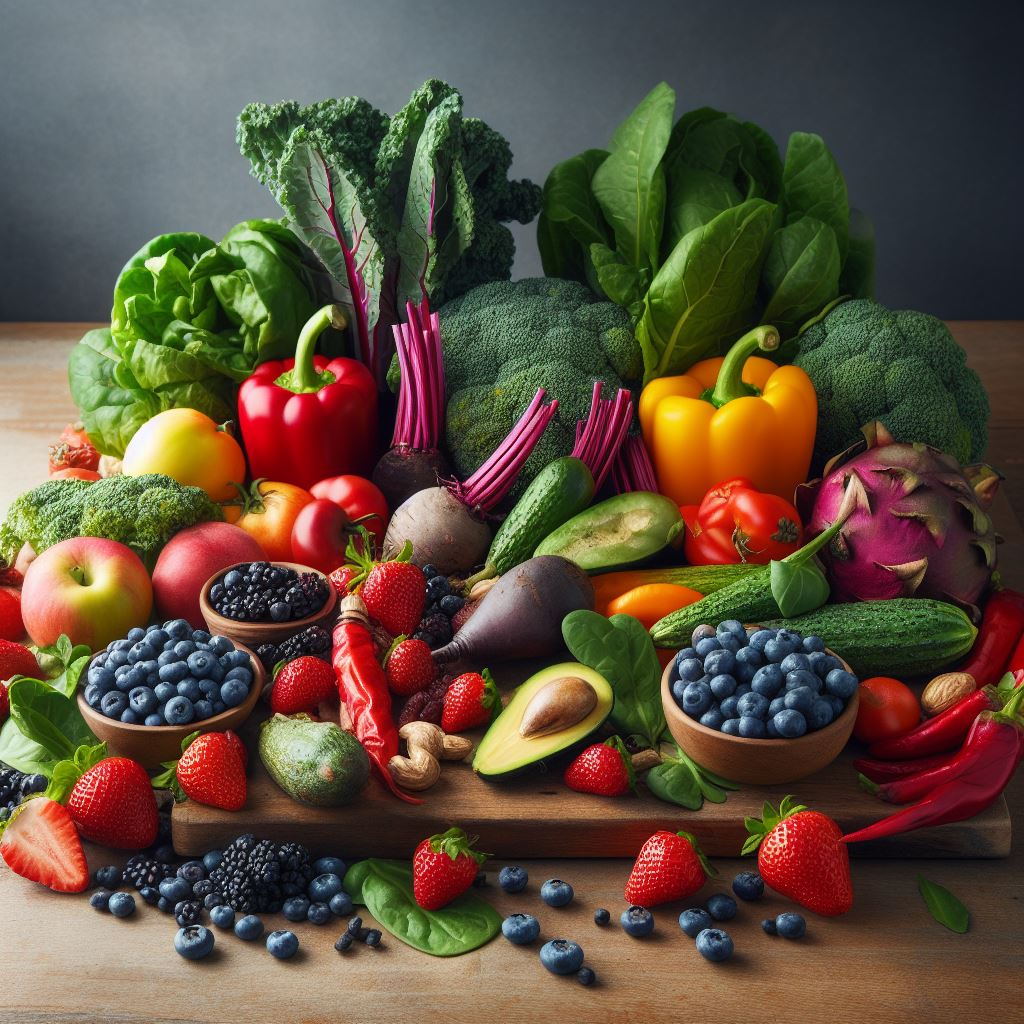
Examples of antioxidants in food include lycopene in tomatoes and flavanols in cocoa. (However, it is not uncommon for companies and influencers to exaggerate the number of antioxidants in their products, so this is something to be wary of; adverts have sometimes been banned for making false claims about this.)
Antioxidants are beneficial to the body as they can limit the damage done by free radicals.
So, a very simple explanation of what free radicals and antioxidants are is:
Free radicals are molecules that can damage the body, and antioxidants are compounds that can prevent this from happening.
A Simple Explanation of the Science Behind Free Radicals and Antioxidants
So, that explains what free radicals and antioxidants do. But how do they do this? Well, this is the scientific explanation:
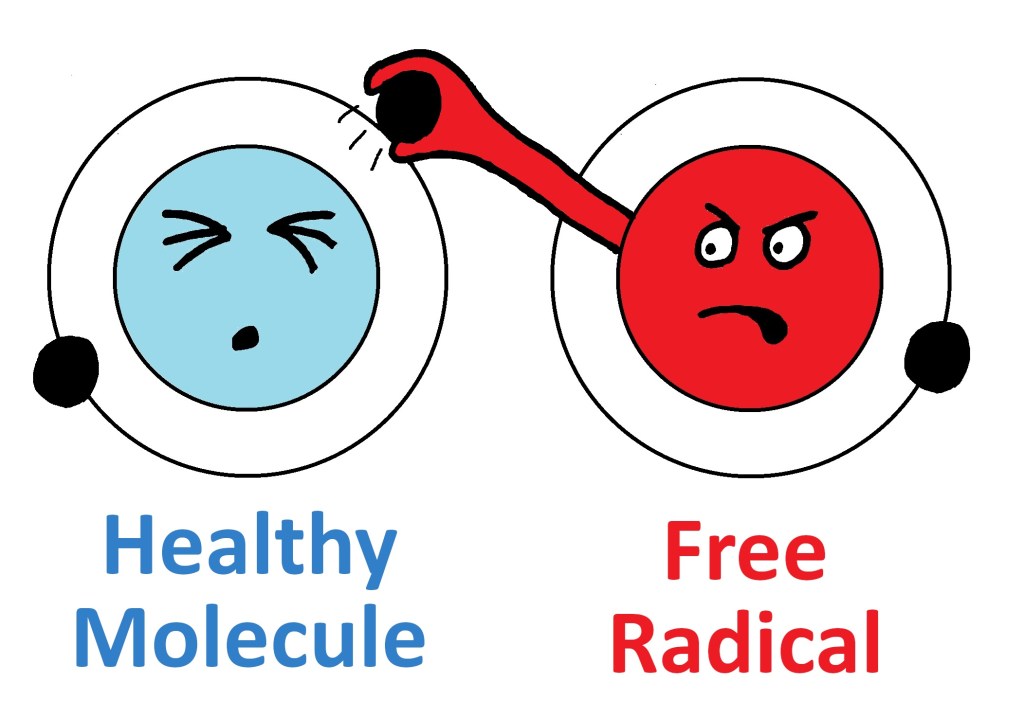
Free radicals are unstable molecules, meaning they are missing an electron. To compensate for this they try to steal an electron from another molecule, which is how the cellular damage they cause comes about.
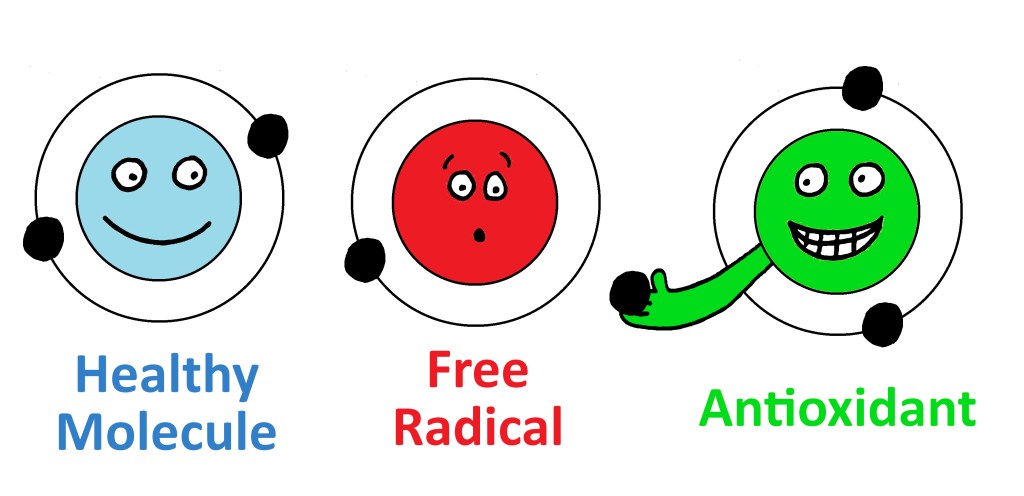
Antioxidants, however, are able to donate an electron to a free radical without themselves becoming damaged. This essentially neutralises the threat of the free radical and limits the damage it can do to other cells.
Why Are They Called Antioxidants?
The process that creates free radicals is called oxidation, which is when something reacts with oxygen. (An example of this happening outside the body is rusting, where iron reacts with oxygen to create iron oxide, the chemical name for rust.)
Therefore, because free radicals are produced as a result of the process of oxidation, the compounds that limit their damage are known as anti-oxidants.
So there we are! Hopefully that makes sense, and if you want to read more on this topic (or want to double check this article was put together from reputable sources) then have a look at these articles. One of them is by Harvard Medical School so it must be trustworthy!:
https://www.health.harvard.edu/staying-healthy/understanding-antioxidants
 Functional Fitness PTS