Whilst it’s true that the Level 2 syllabus doesn’t cover the three types of muscle fibre in a huge amount of detail, Level 3 examines them in more depth, including looking at the different types of fuel each one uses as well as how to target particular muscle fibre types using different forms of exercise, something you can use to help with particular client goals such as fat loss or hypertrophy. Therefore, it’s a good idea to at least familiarise yourself with the basics now.
First of all, you need to know that there are three kinds of muscle in the human body: smooth muscle, cardiac muscle and skeletal muscle:
Smooth Muscle
Smooth muscle is found in the walls of pipes and organs such as the arteries and stomach, where its function is to help push things like blood or food through them.
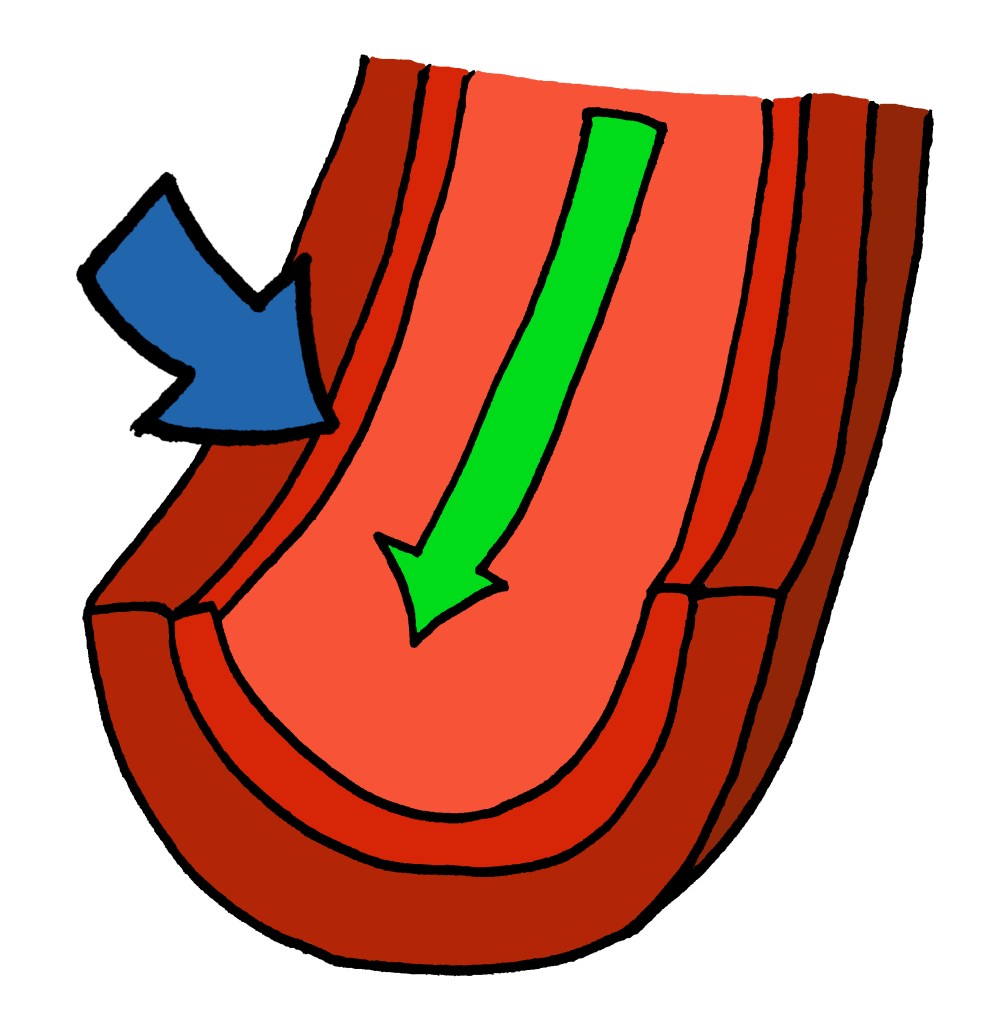
Smooth muscle is an involuntary type of muscle, meaning we do not have conscious control over it, and it works automatically.
Cardiac Muscle
Also known as myocardium, cardiac muscle is found in the heart, where it contracts to produce the heartbeat, which pushes blood around the heart and the body.

Cardiac muscle is another type of involuntary muscle, meaning we do not have conscious control over it.
Skeletal Muscle
Skeletal muscle is the muscle responsible for bodily movement, and the only of the three kinds of muscle that is voluntary, or under conscious control, which is to say we move it ourselves.
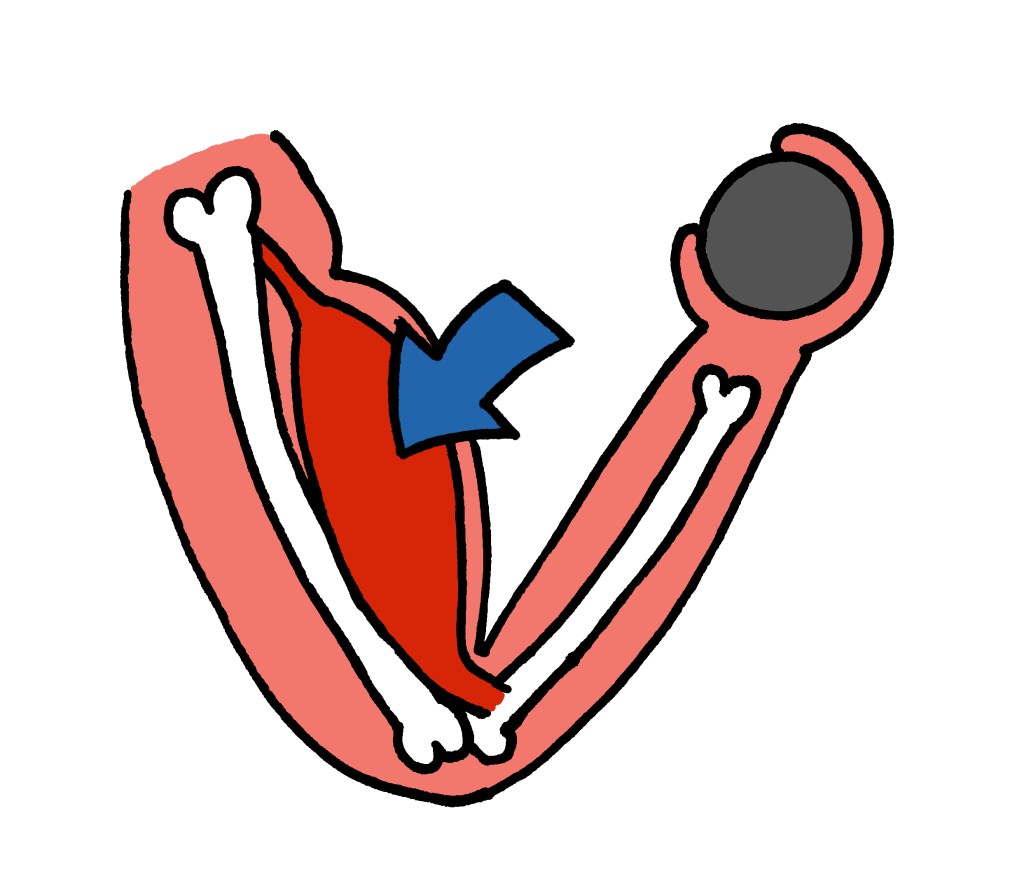
Therefore, whenever we carry out any type of movement, be that walking or lifting a weight, we are using skeletal muscle, and it is also the muscle type that is made bigger by weight training.
The Three Types of Skeletal Muscle Fibre
Now that we’ve looked at the three kinds of muscle in the human body, let’s look at skeletal muscle in more detail.
The key thing to bear in mind is that there are two overall types of skeletal muscle fibre, one of which is then subdivided, meaning there are three individual types of muscle fibre. They are:
- Slow Twitch Fibres (also known as Type I fibres)
- Fast Twitch Fibres (also known as Type II fibres), which are further divided into:
- Type IIa
- Type IIb (sometimes known as Type IIx)
It should be fairly easy to remember the difference:
- Slow twitch muscle fibres are used in slower and lower-intensity activities such as marathon running or walking.
- Fast twitch muscle fibres are used in faster, higher-intensity activities such as sprinting or explosive lifting.
Another thing to remember is that Type IIa fibres are intermediate fibres that can adapt to assist in activities that use either Type I fibres or Type IIb fibres. This means they can help out with both higher intensity activities or lower intensity activities as required.
However, despite muscle fibres being split into these different types, it’s also worth bearing in mind that a muscle will be made up of a mixture of these fibres rather than just one type, with the proportion of fast and slow twitch fibres varying from person to person, and being largely dependent on genetics.
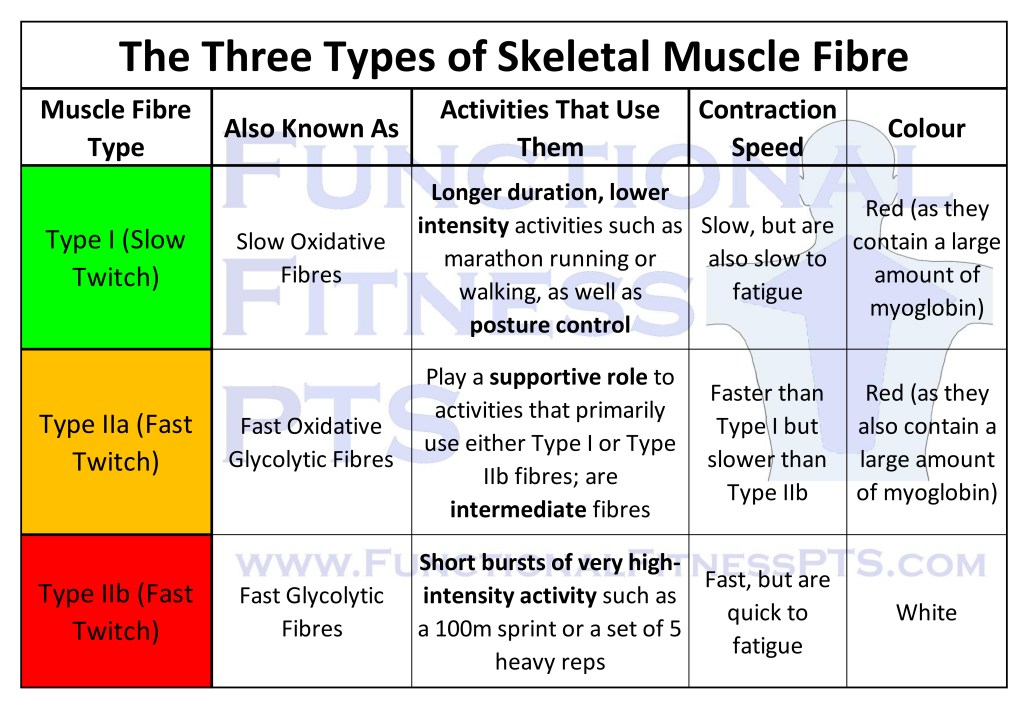
Anyway, here’s a table that summarises the key points and main differences:
 Functional Fitness PTS