
Neurons are one of the key components of the nervous system. The nervous system is made up of two parts:
- The Central Nervous System
- The Peripheral Nervous System
The central nervous system is the body’s control centre, like a computer that receives and responds to information from around the body. It is comprised of the brain and the spinal cord:
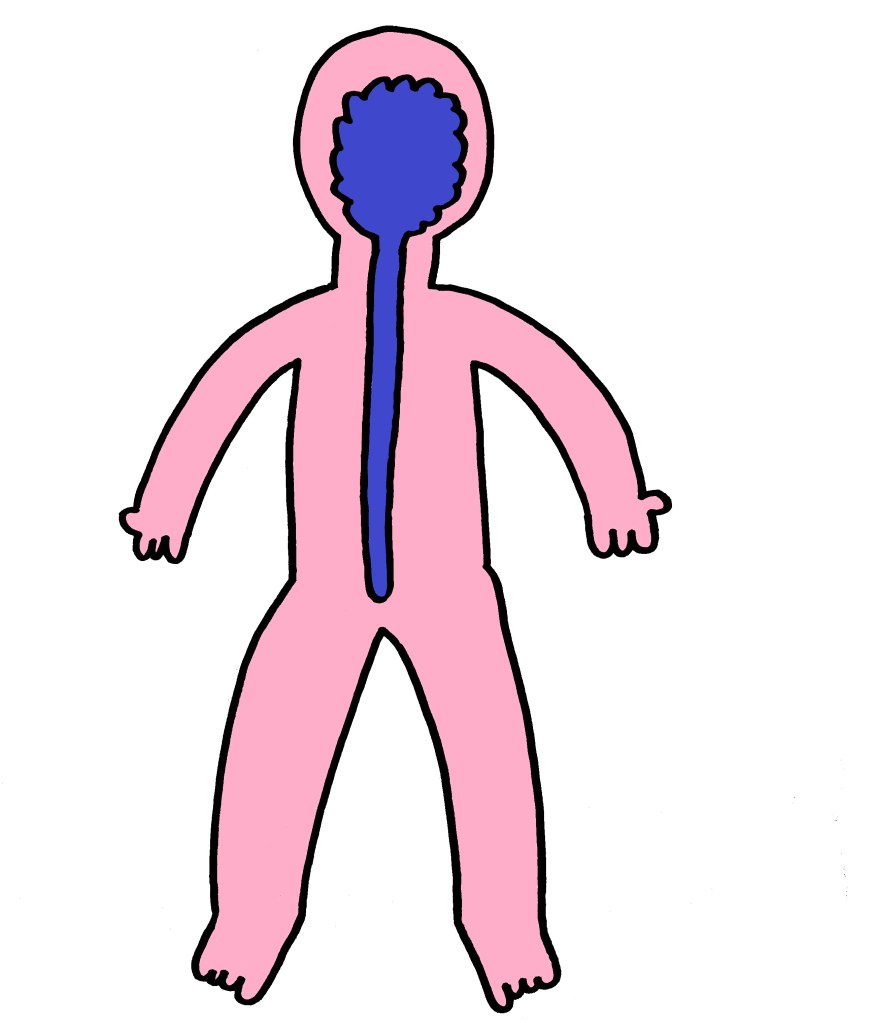
The peripheral nervous system is the body’s wiring:
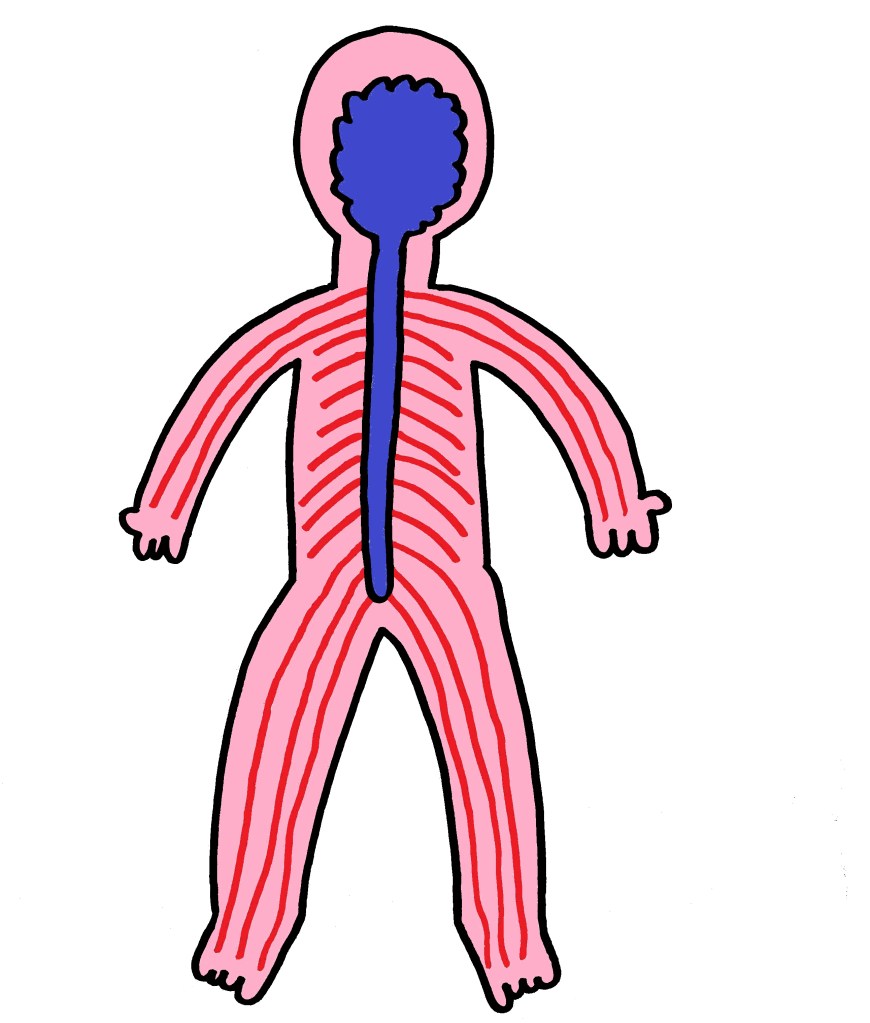
The wires that make up the peripheral nervous system, carrying messages to and from the central nervous system, are cells known as neurons. (There are 31 pairs of neurons attached to the peripheral nervous system.)
The messages that neurons carry are in the form of electrical signals called impulses.
So, put simply, a neuron is a wire that runs through the body carrying an electrical message to or from the central nervous system.
Types of Neuron
Amongst the types of neuron are sensory neurons and motor neurons.
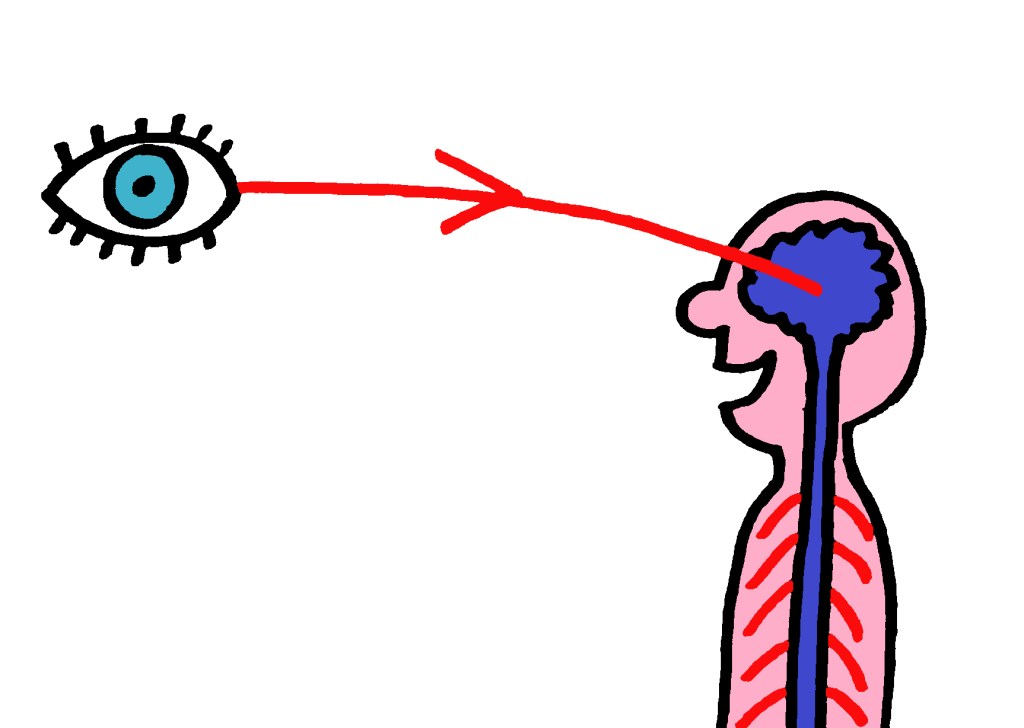
Sensory neurons carry information from the senses to the central nervous system (so think of sensory and senses):
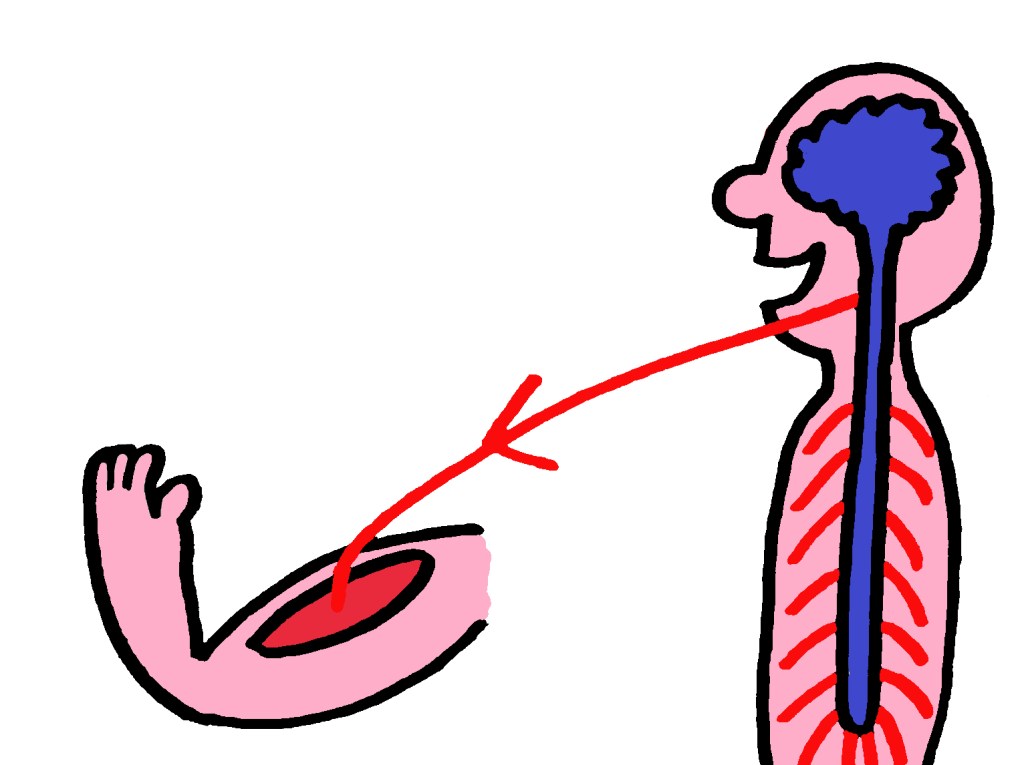
Motor neurons carry messages from the central nervous system to a muscle or organ (so think of motor and movement):
The Structure of a Motor Neuron
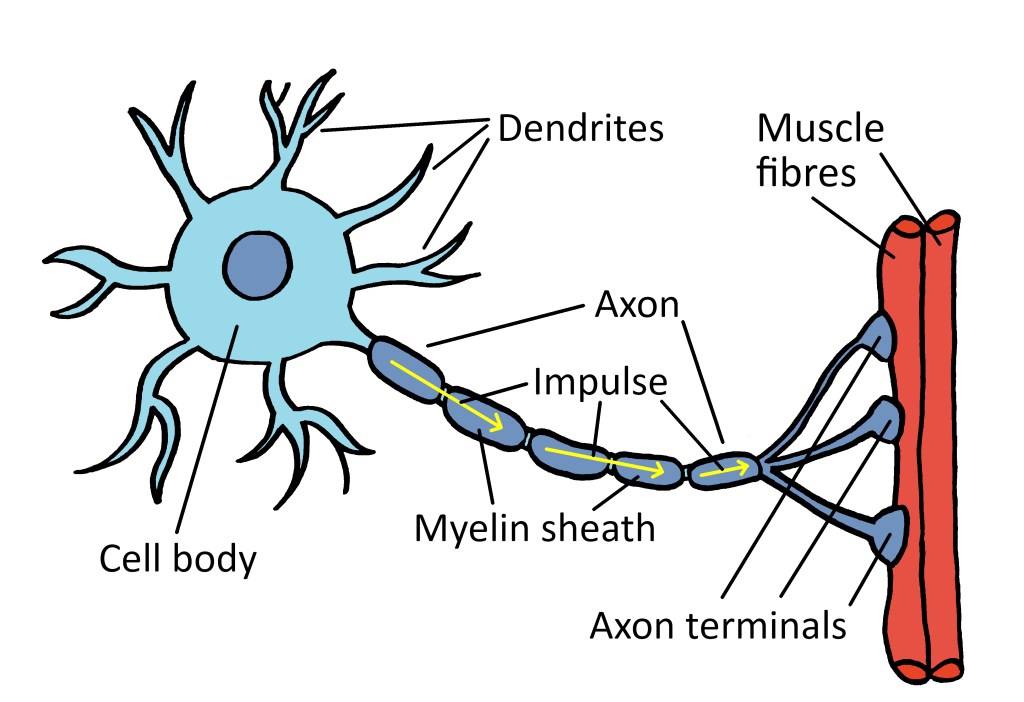
The cell body attaches to the central nervous system, and the impulse travels along the axon to where it attaches to the muscle.
The axon runs through the body to the muscle it attaches to.
Axons can be very short, but can also be several feet long; the longest axon in the body runs from the lumbar spine to the big toe.
When an impulse is sent down the axon to the muscle fibre it causes the muscle fibre to contract, and the muscle to move.
There’s also something else you need to know in relation to neurons, which is the ‘All or None Principle’, and we’ve covered that in a separate article.
For a more detailed explanation of the nervous system, see these articles:
 Functional Fitness PTS