
Hypertrophy (pronounced high-PURR-truh-fee) refers to an increase in size of an organ or tissue, but when people use the term in the gym they’re talking about an increase in muscle size as a result of lifting weights.
As with so many subjects in the world of fitness, there is considerable dispute and debate surrounding this topic, but it is thought that there are three types of hypertrophy: myofibrillar, transient and sarcoplasmic.
Myofibrillar Hypertrophy
Myofibrillar hypertrophy is where muscles get bigger as a result of the fibres within them increasing in size.
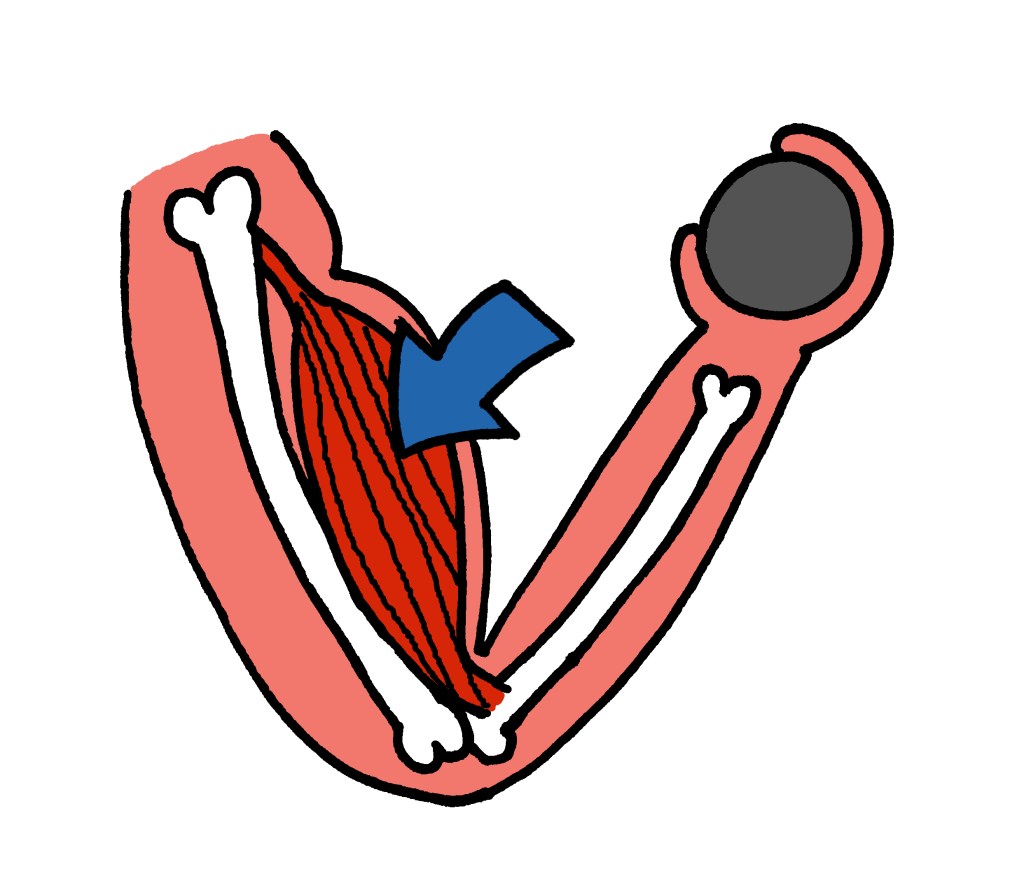
Muscle fibres are comprised of long strands called myofibrils (which are made up of proteins), and the adaptive process undertaken by the body in response to stress being placed on the muscles during weight training causes these to increase in number. This leads to the muscle fibre becoming thicker.
Because this type of muscle growth is caused by an increased number of myofibrils, it is known as myofibrillar hypertrophy, and is the preferred type of hypertrophy because it is longer term and leads to an increase in strength.
Transient Hypertrophy
Transient hypertrophy is where muscles look bigger immediately after a workout as a result of fluids such as water and blood accumulating in them.
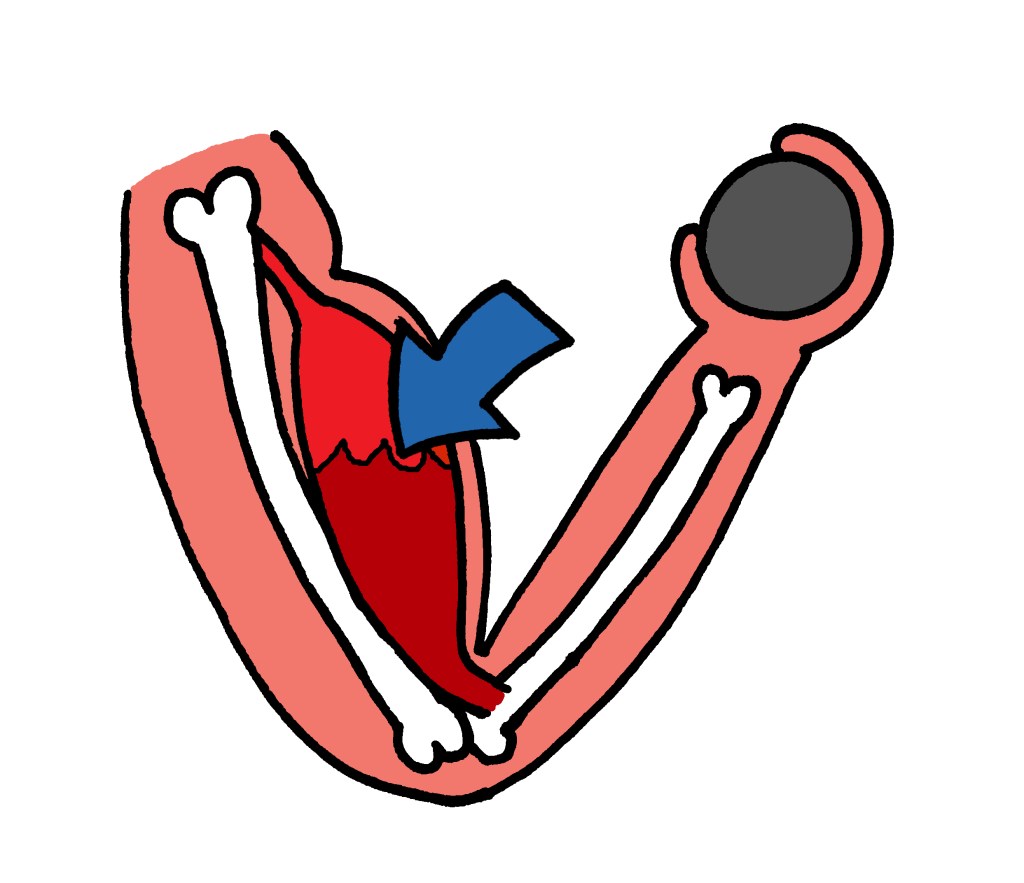
This happens because the heart pumps more blood to the muscles in order to provide them with extra oxygen, which helps you get through the workout, and is sometimes known as ‘the pump‘. Transient hypertrophy can also occur after workouts where creatine has been consumed.
However, the effects of transient hypertrophy are short term, as the muscles will return to their previous size once the extra fluid has left them, and because it does not involve an increase in the size of the actual muscle fibres, some say that transient hypertrophy does not even meet the criteria to be called hypertrophy at all.
Sarcoplasmic Hypertrophy
This one’s a bit more complicated, but sarcoplasm is the material contained within a muscle cell, which includes glycogen (the body’s stored form of glucose) and myoglobin, and sarcoplasmic hypertrophy refers to an increase in this.
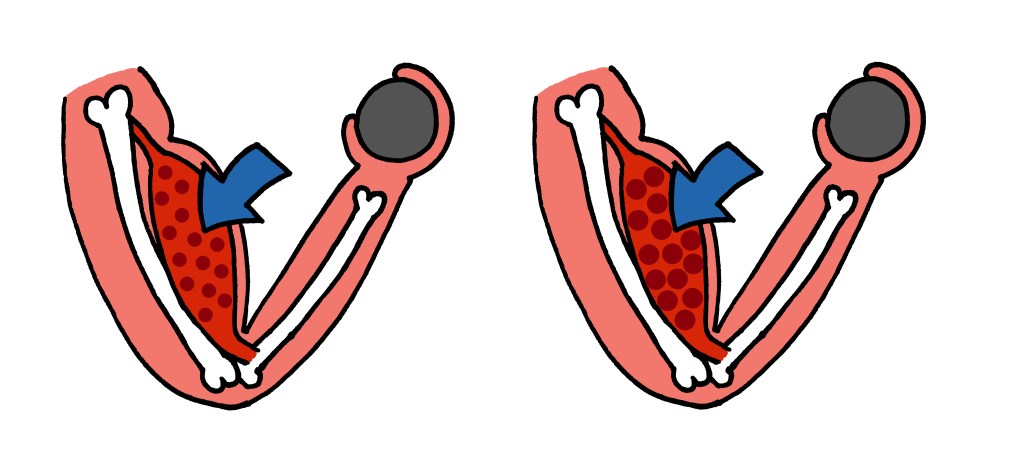
Some evidence suggests that along with increasing the size of muscle fibres you can also increase the volume of sarcoplasm within the muscle cells as a result of resistance training, which would contribute to hypertrophy.
However, this is an area of ongoing research, and the extent to which hypertrophy is caused by an increase in muscle fibre size or by an increase in the volume of the sarcoplasm remains undecided.
 Functional Fitness PTS